
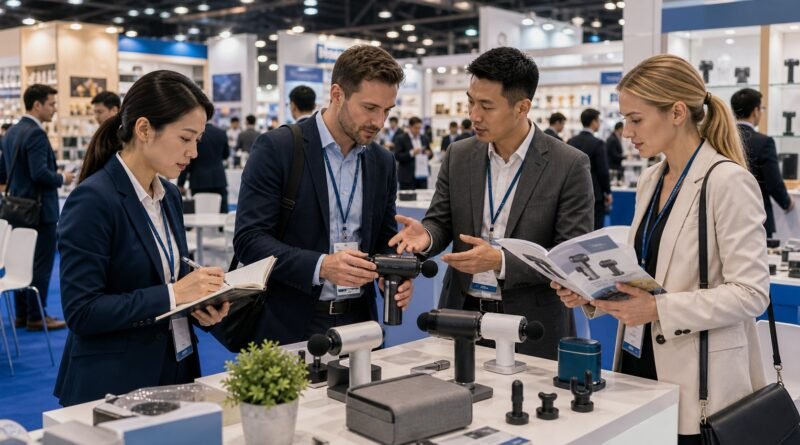
After the Trade Show: How Buyers Should Compare Chinese Suppliers Before Sending RFQs or Deposits
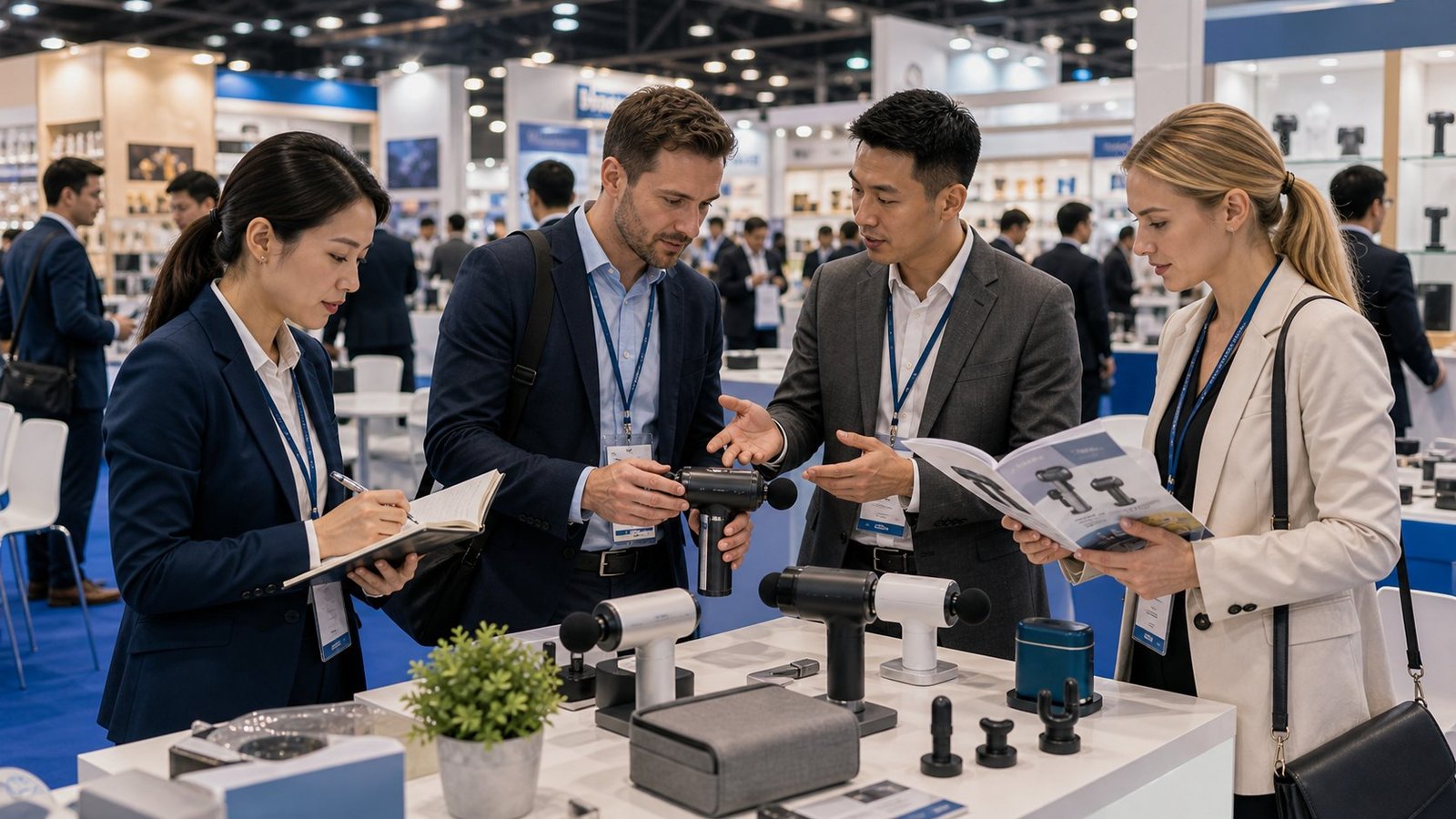
Trade shows are excellent for building a first supplier shortlist, but they are a poor place to make final sourcing decisions. Booth design, quick samples, and fluent sales teams can create a strong first impression, yet most procurement failures happen after the show, when buyers discover that the quoting logic, factory ownership, quality controls, or follow-up discipline were weaker than expected.
The period right after an exhibition is where real supplier selection begins. Buyers who compare suppliers with a structured post-show method usually save more time and avoid more risk than buyers who immediately chase the lowest quoted number.
Do not let the first follow-up email define your shortlist
After a major show, inboxes fill with generic thank-you messages, repeated brochures, and rushed quotations. Fast follow-up is good, but speed alone is not proof of capability. The question is whether the supplier can answer your actual buying requirements with specifics.
Before sending RFQs broadly, sort each contact into three buckets: potential core supplier, needs verification, and low priority. A supplier should move into the first bucket only if the conversation at the booth matched the follow-up materials they send afterward.
Standardize the RFQ package for every shortlisted supplier
Many buyers compare suppliers unfairly because each supplier receives a different level of detail. One gets a clear specification sheet. Another gets only photos and a rough quantity estimate. The result is a stack of quotations that cannot be compared meaningfully.
Your post-show RFQ package should include product specification, target market, quantity range, packaging requirement, labeling needs, compliance expectations, inspection plan, incoterm, and target shipping window. If suppliers answer a standardized RFQ, differences in pricing and lead time become easier to interpret.
Build a comparison matrix before you ask for samples
Samples cost time, shipping money, and attention. Do not send sample requests to every booth contact. First score suppliers on operational criteria that matter to your program. A simple comparison matrix usually works better than intuition.
Useful scoring fields include:
- clarity of company identity and factory role
- quality of follow-up response
- quotation completeness
- lead time logic
- willingness to support customization
- documentation readiness
- quality control transparency
- communication speed and accuracy
The goal is not to build a complex spreadsheet. The goal is to stop shiny presentation from outweighing operational facts.
Check whether the supplier is the real producer, not just the booth representative
Trade shows often include factories, export coordinators, and trading firms that present themselves similarly. That is not automatically a problem, but buyers should know which model they are dealing with before asking for samples or discussing exclusivity.
Ask direct post-show questions: Which items are made in-house? Which are outsourced? Who controls inspection? Where is the loading point? If the supplier is coordinating multiple workshops, who owns final responsibility for claims and schedule?
Use samples to test responsiveness and consistency
Once the shortlist is down to two or three strong candidates, samples become valuable. But buyers should evaluate more than product appearance. Check how the supplier handles labeling, carton marks, specification confirmation, courier timing, and technical questions during the sample stage.
A supplier that is sloppy on a paid or unpaid sample process may be much harder to manage during bulk production. Sample handling is often a preview of account management quality.
Ask what happens if something goes wrong
Many post-show conversations stay optimistic. Real buying decisions need one level deeper. Ask how the supplier handles late production, failed inspection, packaging mistakes, or quantity shortages. Good suppliers usually answer with a process. Weak suppliers answer only with reassurance.
You should know before deposit:
- what production milestones are visible to the buyer
- whether third-party inspection is accepted
- how claims are documented and resolved
- how replacement or shortage handling works
- whether any backup capacity exists for urgent orders
Do not confuse enthusiasm with alignment
After a show, some suppliers keep contacting the buyer aggressively. Others respond more slowly but with better technical depth. Procurement teams should favor alignment over enthusiasm. The right supplier is the one whose commercial promise, production model, documentation quality, and communication style fit your buying process.
This is especially important for overseas buyers building new China supply chains. A supplier relationship should feel easier after the trade show, not more confusing.
A practical post-show decision sequence
- Reduce the booth list to a controlled shortlist.
- Send one standardized RFQ pack to all shortlisted suppliers.
- Score quotations for completeness before judging price.
- Run verification on the strongest two or three options.
- Request samples only after the commercial and operational basics look solid.
- Clarify inspection, payment, and claims rules before any deposit is sent.
Trade shows are still one of the best ways to discover new suppliers, but the value comes from disciplined follow-up. Buyers who compare suppliers with a structured post-show method usually make better sourcing decisions than buyers who act on momentum alone.
If you need help screening suppliers after a trade show, GlobalSource.Click can help buyers verify suppliers, compare sourcing options, arrange checks, or submit sourcing requests. Contact via Submit Request or WhatsApp: +86 188 5050 9900.