
Canton Fair Follow-Up Checklist: How Overseas Buyers Can Shortlist Reliable China Suppliers in 10 Days
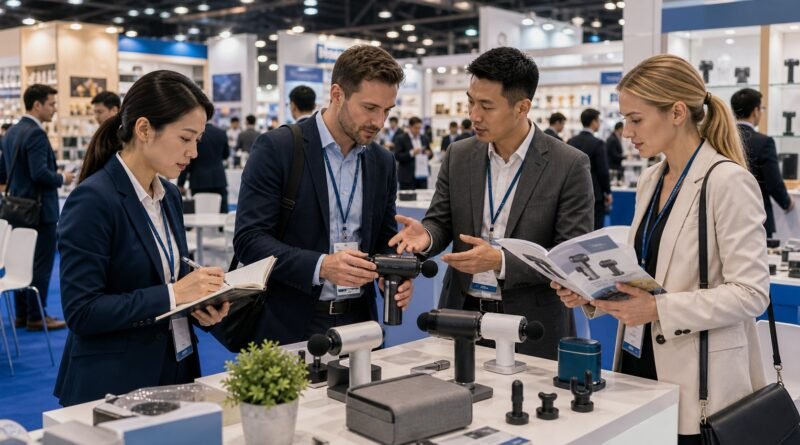
Trade shows can create the impression that supplier selection is almost finished. A buyer meets ten booths, collects catalogs, scans a few QR codes, and walks away with “good options.” The real sourcing work starts after the show, when booth energy is gone and suppliers must prove they can answer clearly, quote consistently, and support export orders without surprises.
For overseas buyers sourcing from China, the first 10 days after a major fair are decisive. Strong suppliers usually respond quickly with technical detail, realistic lead times, and documentation. Weak suppliers often reply with broad promises, missing specifications, or a quotation that changes once sampling begins. This checklist is designed to help importers, distributors, Amazon sellers, and private-label brands turn trade show contacts into a controlled supplier shortlist.
Day 1: Clean the Contact List Before Asking for Quotes
Do not send the same RFQ to every business card. First divide contacts into three groups: likely manufacturers, trading companies with category knowledge, and low-priority contacts that only showed generic catalogs. A trading company is not automatically a problem, but the buyer should know what role the company plays before sharing target prices or product drawings.
Check the booth name against the company name on the business license, export documents, and catalog. If the names are different, ask for a short explanation. Common reasons include group companies, export agents, or domestic factory names. The risk is not the difference itself; the risk is a supplier that cannot explain the relationship clearly.
Day 2-3: Send One RFQ With Decision-Grade Details
A vague message such as “please quote best price” invites vague pricing. Send an RFQ that includes product specification, expected annual volume, first trial order quantity, destination market, packaging expectation, required certifications, target inspection standard, and preferred shipment term. If you do not know the exact spec yet, tell the supplier which points are open and ask them to recommend options.
For example, a buyer sourcing home goods should not only ask for unit price. They should ask for material grade, color tolerance, carton drop-test assumptions, spare part policy, labeling method, MOQ by color, and current mold availability. This reveals whether the supplier understands export execution or only wants to win the first conversation.
Day 4: Compare Response Quality, Not Only Price
Suppliers who answer fast but ignore half the questions are not necessarily strong. Build a simple scorecard and rate each response on completeness, technical clarity, document readiness, export-market awareness, and willingness to explain trade-offs. A supplier who says “yes, no problem” to every request without checking details should be treated carefully.
The best follow-up replies often include boundaries. A reliable factory may say a certain finish requires a higher MOQ, a battery specification needs extra lead time, or a retail package must be redesigned for carton strength. These constraints are useful because they show where cost, quality, and delivery risk actually sit.
Day 5-6: Request Proof Before Samples
Before paying sample fees, ask for practical proof: recent production photos, anonymized inspection reports, test report numbers where applicable, export packing photos, and a short video of the production or QC area. For sensitive products, ask whether the supplier can support a third-party factory audit or live video verification.
Buyers should be cautious when all proof is polished marketing material. A normal factory can usually provide imperfect but useful evidence: carton markings, line-side QC sheets, warehouse stock labels, incoming material records, or loading photos. These details help separate a real operating supplier from a contact who is forwarding pictures from elsewhere.
Day 7: Check Commercial Terms for Hidden Risk
Low quotations after a trade show often hide assumptions. Confirm whether the price includes export carton, inner packaging, logo, testing cost, spare parts, palletization, documentation, and bank charges. Ask the supplier to state the validity period of the quote and the exact material or component assumptions behind the price.
Payment terms also matter. A new buyer should avoid paying a large balance before inspection unless there is a strong reason. A common structure is deposit, pre-shipment inspection, then balance before release of goods or documents. The right structure depends on product type, order size, supplier history, and shipment schedule.
Day 8: Run a Sample Plan With Acceptance Criteria
Samples are useful only when the buyer defines what success means. Create a short sample plan covering dimensions, material feel, color, function, packaging, label placement, barcode scan, user instructions, and any market-specific requirement. Ask the supplier to confirm whether the sample is made from production tooling and whether future bulk goods will use the same material source.
If the sample is handmade, 3D printed, or assembled from temporary components, record that clearly. A beautiful sample that cannot be repeated at scale creates false confidence. For many categories, buyers should also keep one approved sample sealed and signed for comparison during production inspection.
Day 9: Verify the Factory Behind the Quotation
When a supplier is close to being shortlisted, verify the business license, address, category scope, export capability, and production relationship. If the supplier says they are a manufacturer, ask which process is done in-house and which is outsourced. For example, printing, plating, battery assembly, molding, and final packing may happen in different locations.
This does not automatically disqualify the supplier. Many export supply chains use subcontractors. The buyer’s job is to know where quality responsibility changes hands, which process creates the biggest risk, and whether inspection access is available before shipment.
Day 10: Choose a Shortlist, Not a Winner
After 10 days, the goal should be a shortlist of two or three qualified options, not a rushed final winner. One supplier may have the best price, another may have stronger testing capability, and another may be better for small trial orders. Keep alternatives active until samples, documentation, and inspection results support a final decision.
Buyers should document why each supplier remains on the shortlist. Useful notes include response speed, quote assumptions, production capability, compliance gaps, packaging concerns, and negotiation points. This record helps when internal teams, finance departments, or overseas partners ask why a supplier was selected.
When to Get Outside Help
If the order is urgent, technically complex, or tied to a new market, do not rely only on booth conversations. Independent supplier verification, document checks, sample coordination, and pre-shipment inspection can reduce avoidable losses. GlobalSource.Click can help buyers verify suppliers, compare sourcing options, arrange checks, or submit sourcing requests. Contact via Submit Request or WhatsApp: +86 188 5050 9900.
A trade show is a starting point. A disciplined follow-up process is what turns a promising booth into a supplier relationship that can survive pricing pressure, quality checks, and real export deadlines.