
China Backpack Suppliers: A Buyer Checklist for Fabric Consistency, Stitching Quality, and On-Time School Season Delivery
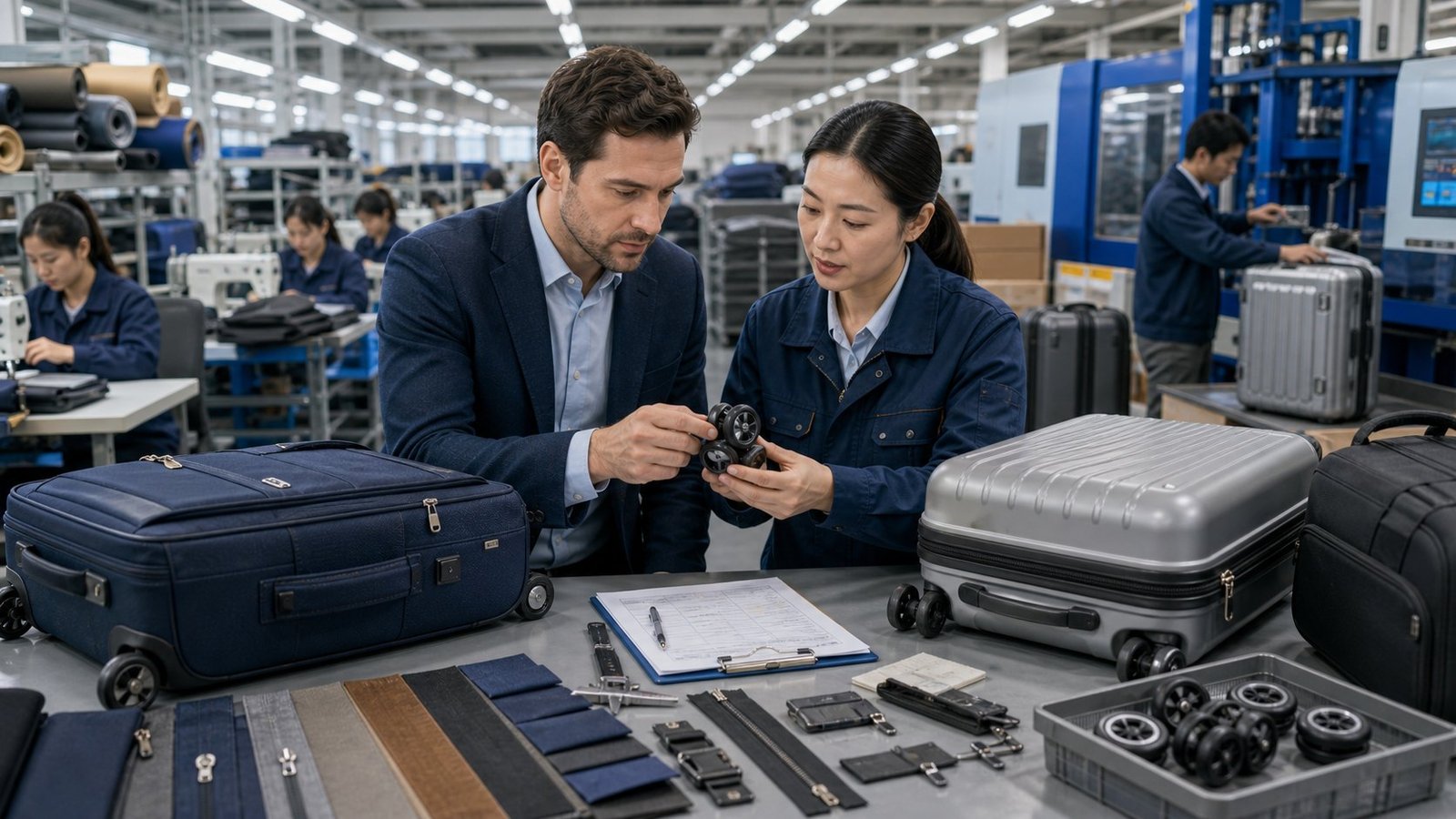
Backpacks are easy to underestimate. A sample may look clean, zippers may open smoothly, and the quotation may appear straightforward. The real sourcing risk starts when repeat production begins: the fabric shade shifts slightly, shoulder strap foam feels thinner, bartack reinforcement changes, or cartons miss the back-to-school shipping window by two weeks. None of those problems look dramatic on a quotation sheet, but each one can damage sell-through, increase claims, or leave a buyer with markdown stock.
For importers, brand owners, and promotional buyers sourcing from China, backpack selection should go beyond style and FOB price. The right supplier is one that can hold material consistency across batches, keep stitching discipline under seasonal pressure, and ship on time when a selling season cannot move.
What buyers should lock before asking for final quotations
A common mistake is requesting quotes from several factories using only a rough photo reference and external dimensions. That invites price noise instead of usable comparison. Define the intended channel first. A school bag for a supermarket program, a laptop backpack for corporate distribution, and an outdoor daypack for specialty retail do not require the same materials, tolerance control, or packaging method.
Before final quote comparison, fix the baseline specification: shell fabric type and denier, lining quality, foam density, zipper brand or standard, webbing width, buckle specification, logo method, load expectation, and carton packing plan. Without that baseline, one supplier may price a lighter fabric, another may remove reinforcements, and a third may simplify the internal structure while still appearing competitive.
Factory checklist: what actually matters in production
- Fabric consistency: Ask whether the supplier sources from stable mills or opportunistically from traders. Buyers should check color lot management, coating stability, backing consistency, and abrasion performance where relevant.
- Stitching control: Review seam density, thread quality, edge binding finish, bartack positions, and stress-point reinforcement. Weak sewing rarely shows up in photos but appears quickly in use.
- Zipper and hardware stability: If the product depends on repeated open-close cycles, verify zipper smoothness, puller fastening, buckle strength, and hardware color consistency.
- Pattern accuracy: Backpack shape can drift during scale-up. Ask how cutting templates are controlled and whether the supplier checks symmetry between left and right components.
- Padding and structure: Shoulder straps, back panels, and laptop compartments often change subtly between sample and bulk. Confirm foam thickness, density range, and how substitutes are approved.
- Packaging readiness: Clarify whether bags are packed flat, filled, or partially formed; whether inserts are used to protect shape; and whether moisture protection is added for sea freight.
- Inspection method: Agree on AQL level, key appearance defects, logo placement tolerance, odor issues, and carton drop expectations before production begins.
Seasonality risk is often bigger than unit price risk
Backpack programs linked to school season, promotional campaigns, or holiday retail have a hard deadline. A supplier can be technically capable and still be commercially risky if it cannot hold delivery discipline during peak months. Buyers should ask how many active lines the factory runs, whether sewing is subcontracted in peak periods, and which materials create the longest replenishment lead time.
If the supplier depends on outside printing, embroidery, or molded trim vendors, map those dependencies early. A factory may promise a 35-day production cycle while ignoring that logo badges, custom zipper pulls, or printed polybags are on a slower path. Those small components can hold the whole order.
Questions worth asking during sample review
During sample approval, do not limit feedback to look and feel. Pull on shoulder straps. Check zipper alignment around corners. Measure laptop sleeve width with an actual device. Load the sample with realistic weight and inspect base panel distortion. Ask the factory to identify which sample components are prototype-grade and which are intended for mass production. Buyers who skip that question are often surprised when the approved sample used nicer trims than the bulk order.
How to structure the first production order
For a new supplier, start with one manageable style family rather than too many colorways and custom add-ons at once. Keep one pre-production sample signed against the final bill of materials. Require cutting approval for main fabric, in-line photos from the sewing floor, and pre-shipment inspection after random carton selection. If the order is seasonal, set a latest ship date that includes a real buffer, not an optimistic one.
Bottom line for backpack sourcing from China
Reliable backpack sourcing depends on repeatability. Buyers should reward factories that can show material discipline, clear workmanship standards, and credible delivery planning, not just polished samples and aggressive prices. A backpack that arrives on time and performs consistently across batches is usually more profitable than a cheaper order that creates returns or misses the selling window.
If you are screening China backpack suppliers, GlobalSource.Click can help buyers verify suppliers, compare sourcing options, arrange checks, or submit sourcing requests. Contact via Submit Request or WhatsApp: +86 188 5050 9900.